Applied Mechanics is a core engineering discipline that
applies principles of mechanics to solve real-world problems in structures,
materials, and fluids. It bridges theoretical physics with practical
applications in fields like civil and mechanical engineering.
Core Focus:
Applied Mechanics covers statics (forces in equilibrium),
dynamics (motion and acceleration), and strength of materials (stress, strain,
and deformation). It's essential for diploma students in civil or mechanical
engineering to analyze beams, trusses, friction, and centroids. Labs emphasize
practical experiments like verifying laws of motion or testing material
properties.
Strong Foundation in Engineering Concepts
- Provides basic knowledge of mechanics, engineering drawing, strength of materials, and structural behavior.
- Develops analytical and problem-solving skills for civil engineering applications.
Well-Equipped Laboratories
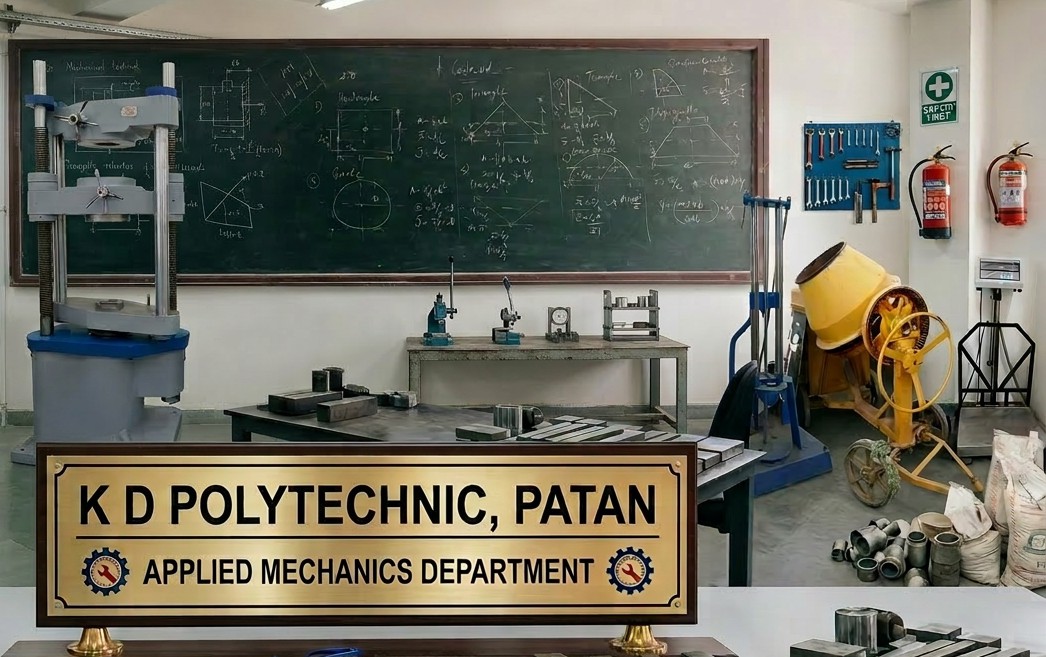
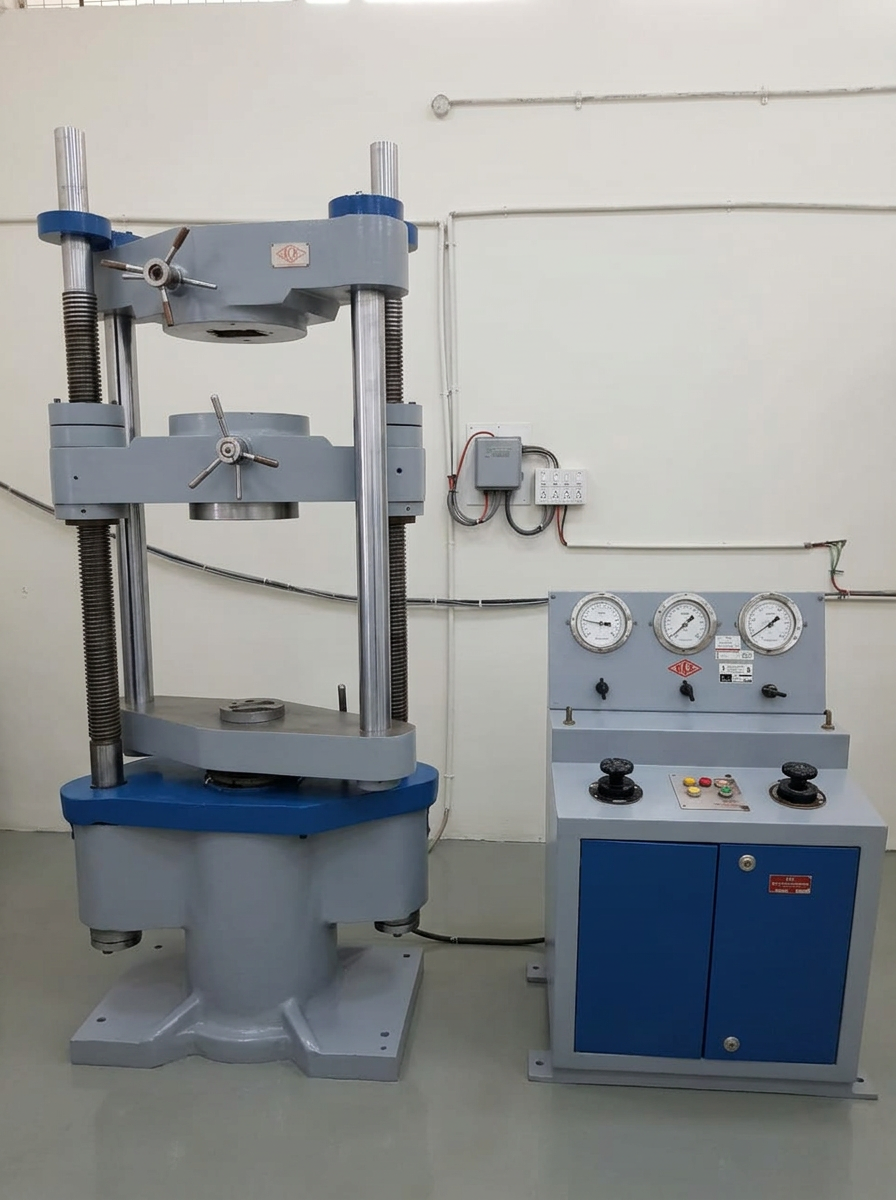
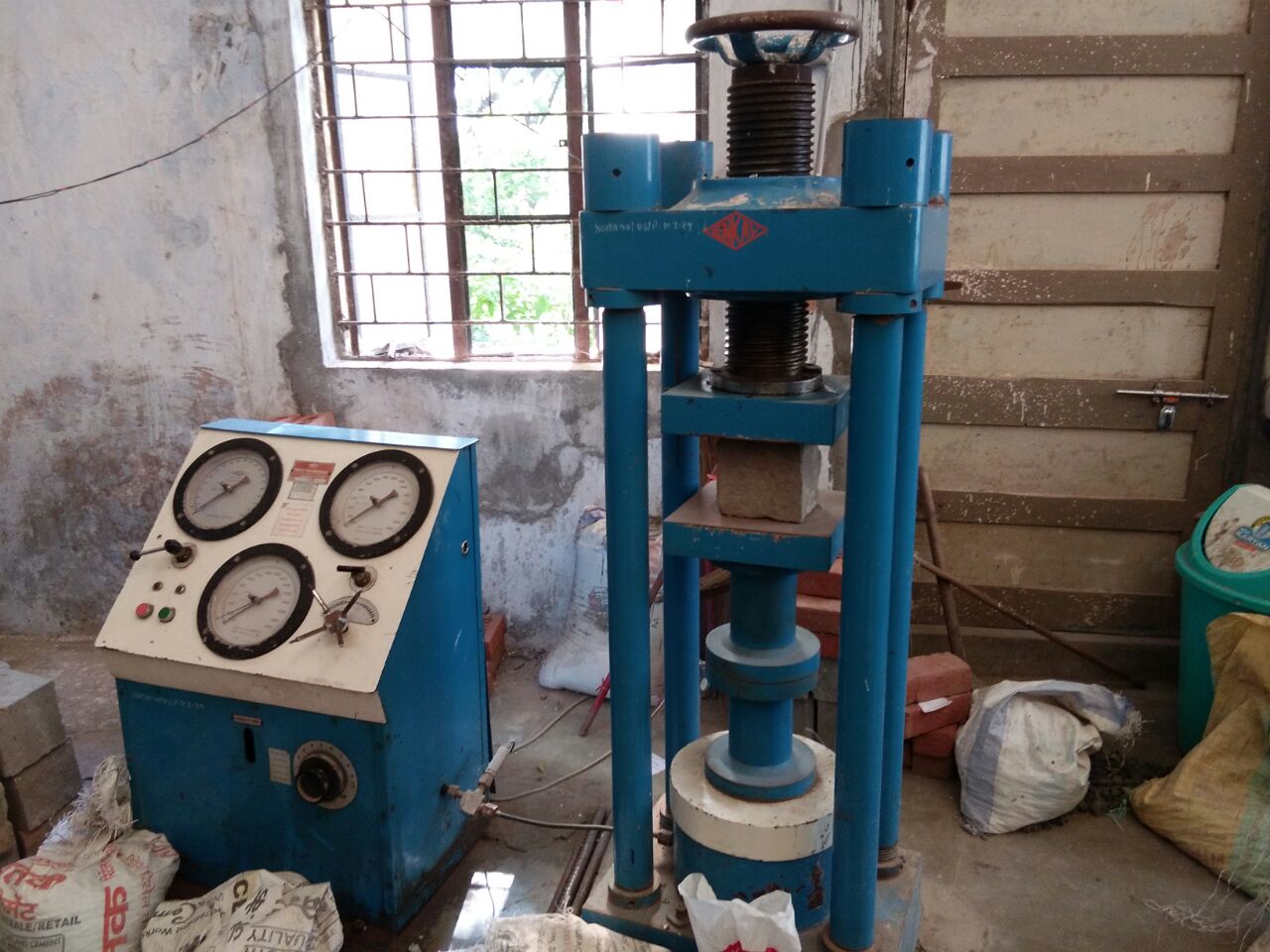
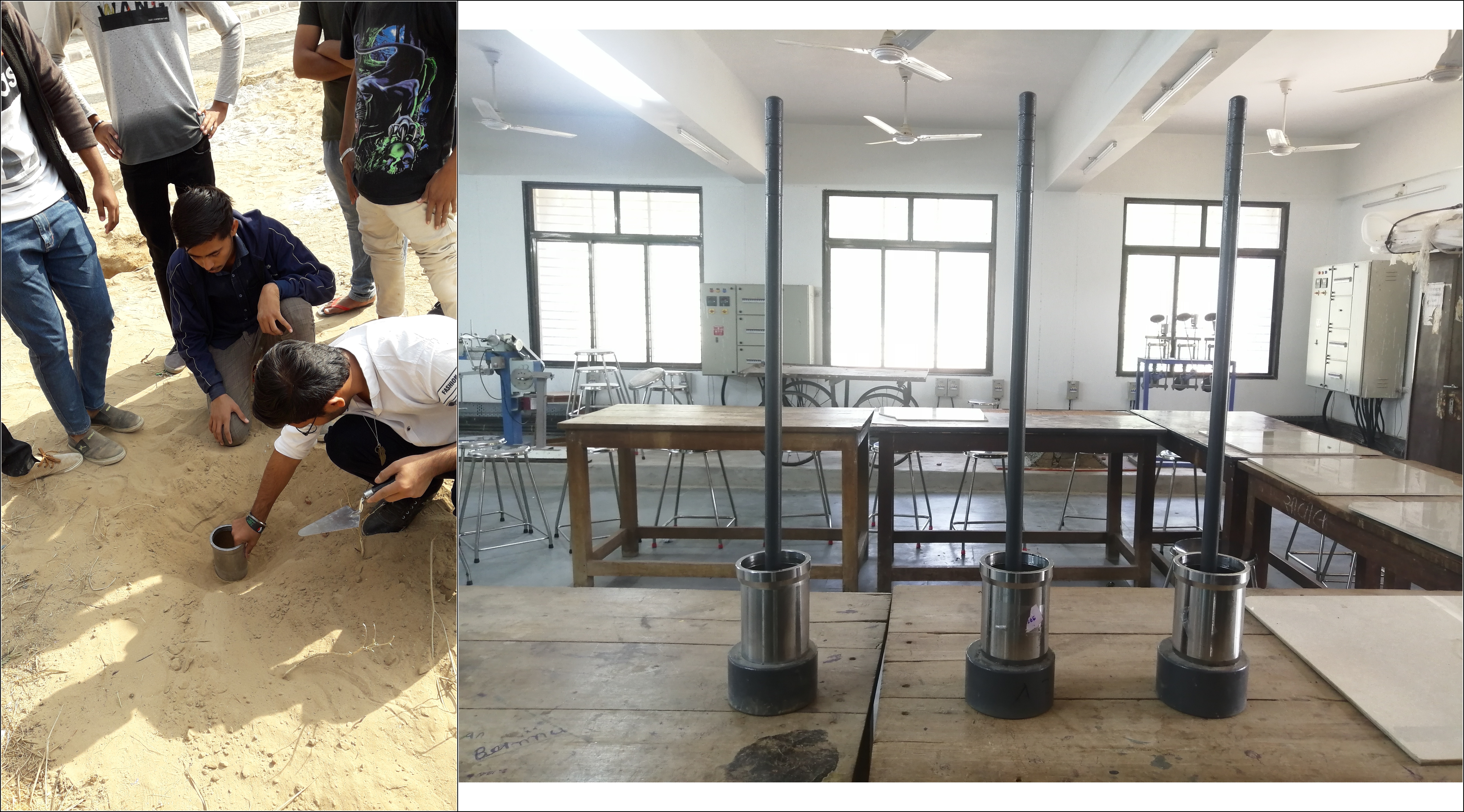
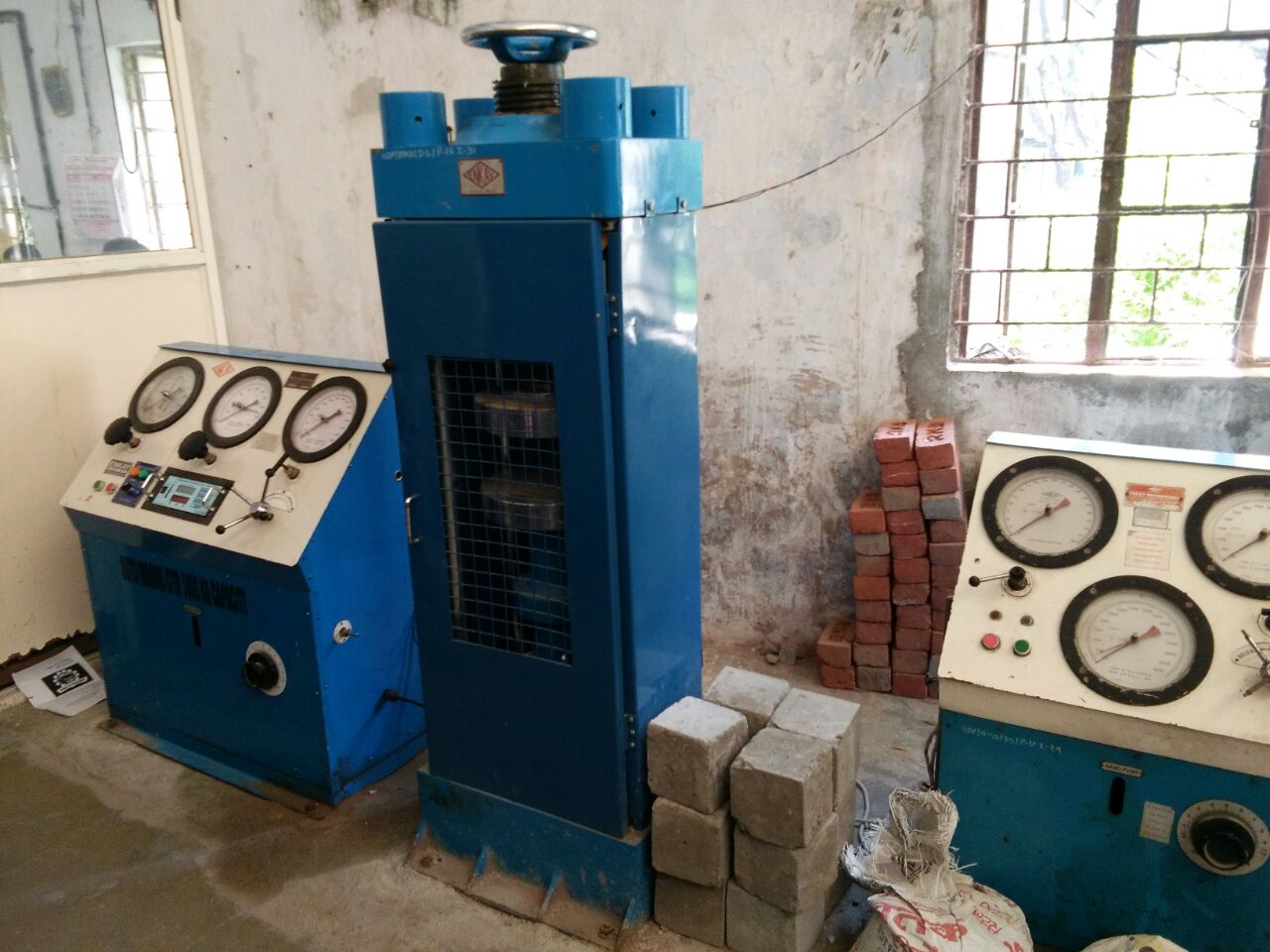
- Applied Mechanics Laboratory with testing equipment.
- Material testing and strength analysis facilities.
- Demonstration models for practical understanding.
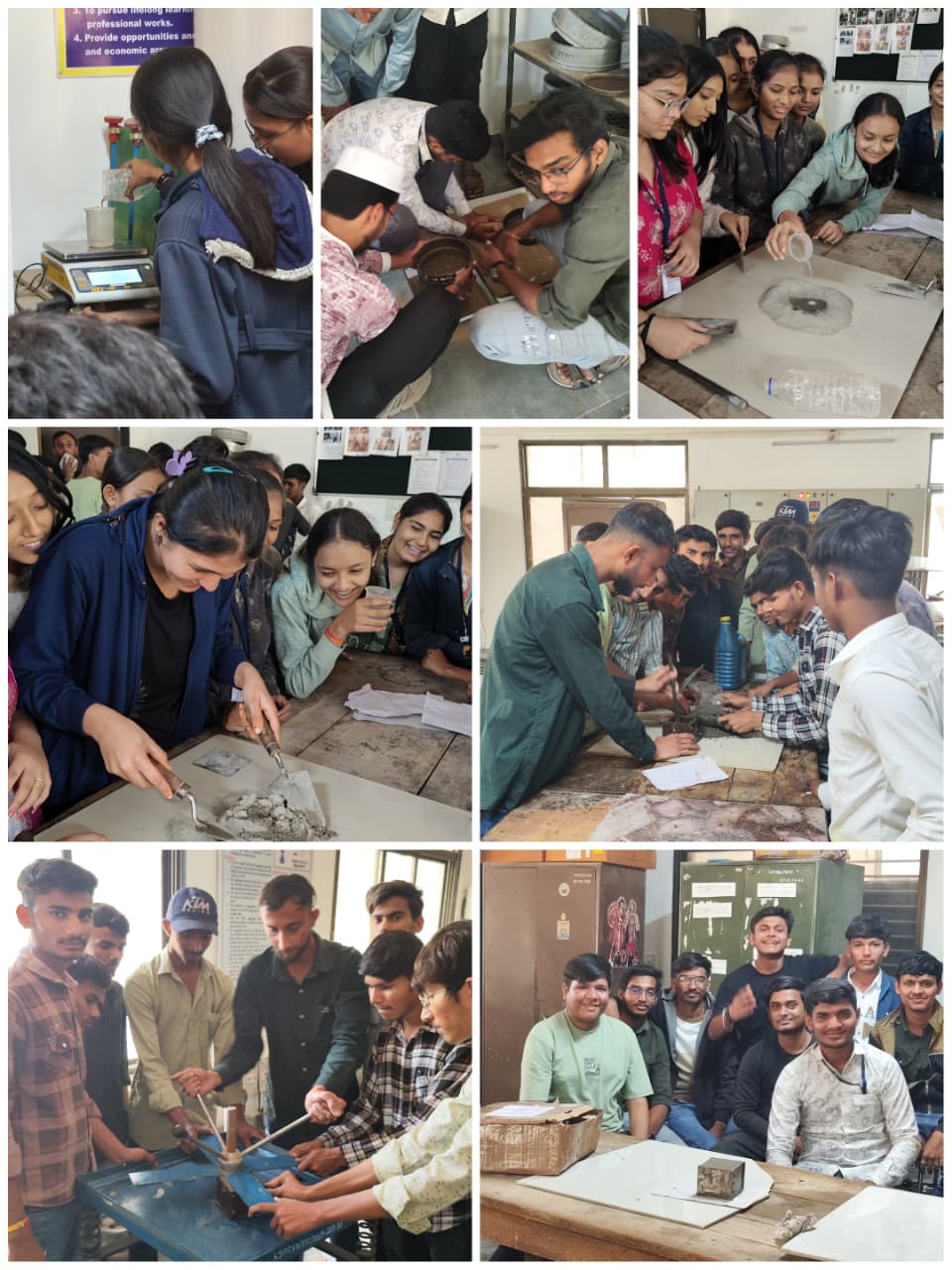
Practical & Skill Based Learning
- Hands-on experiments and lab practices.
- Real-life engineering problem solving.
- Mini projects and technical activities.
Experienced Faculty Members
- Qualified and experienced teaching staff.
- Focus on both theoretical understanding and practical learning.
- Student-friendly teaching methods with regular guidance.
Key Disciplines Covered : -
Engineering Mechanics
- Provides fundamental knowledge of forces, motion, equilibrium, and mechanics principles.
-
Develops analytical and problem-solving skills required in civil engineering.
-
Helps students understand the behavior of structures and engineering systems.
-
Supports preparation for competitive exams and technical interviews.
-
Combines theoretical learning with numerical problem-solving techniques
Mechanics of Structures
-
Provides understanding of structural behavior under different types of loads.
-
Develops knowledge of stress, strain, bending, shear force, and deflection in structures.
-
Helps students analyze beams, columns, trusses, and structural members.
-
Builds a strong foundation for structural design and construction engineering.
-
Improves technical competency for industry applications and higher studies

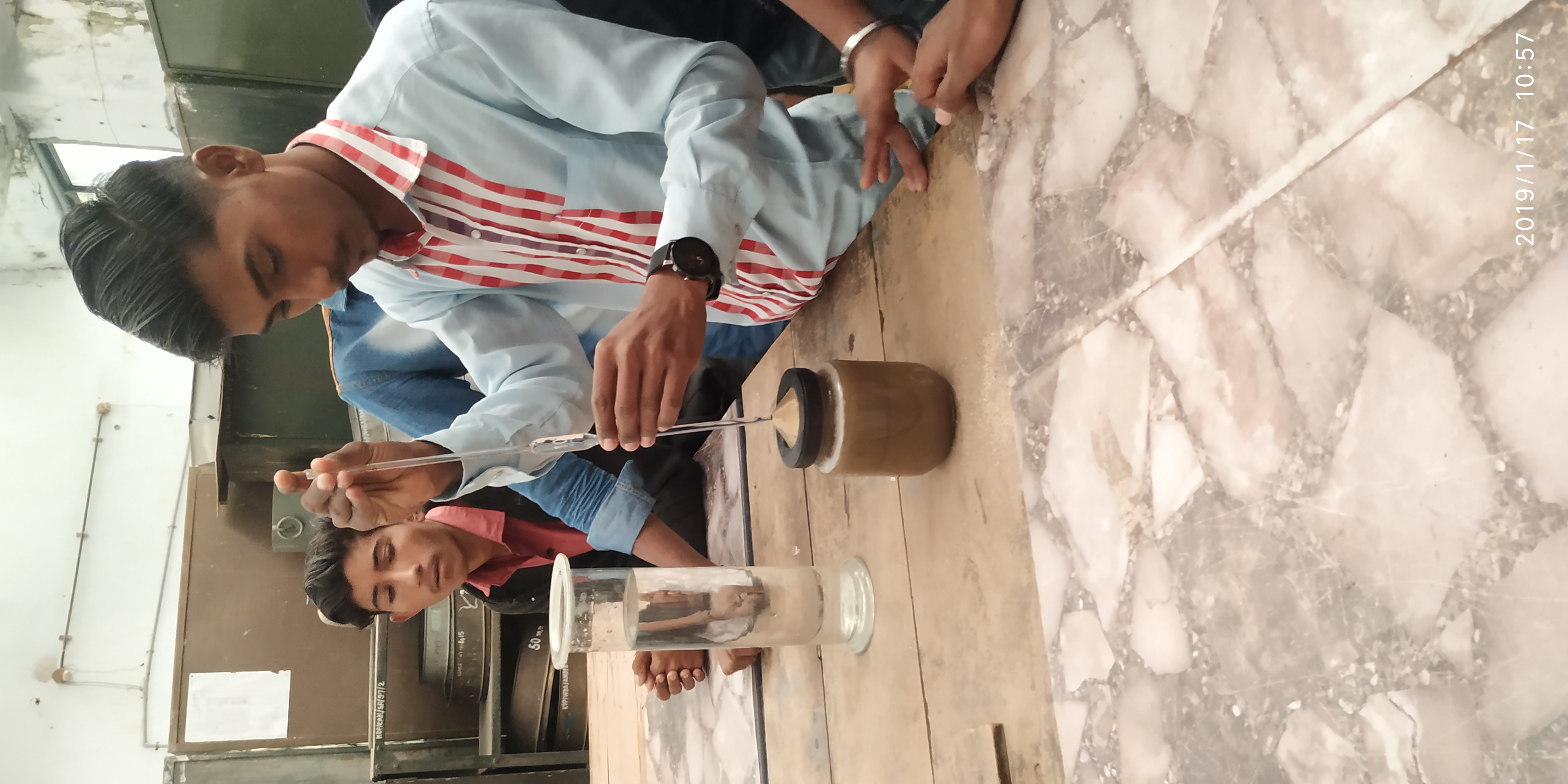
Soil Engineering
- Provides fundamental knowledge of soil properties and soil behavior.
- Helps students understand soil classification, permeability, compaction, and consolidation.
-
Develops skills for safe and stable foundation design.
-
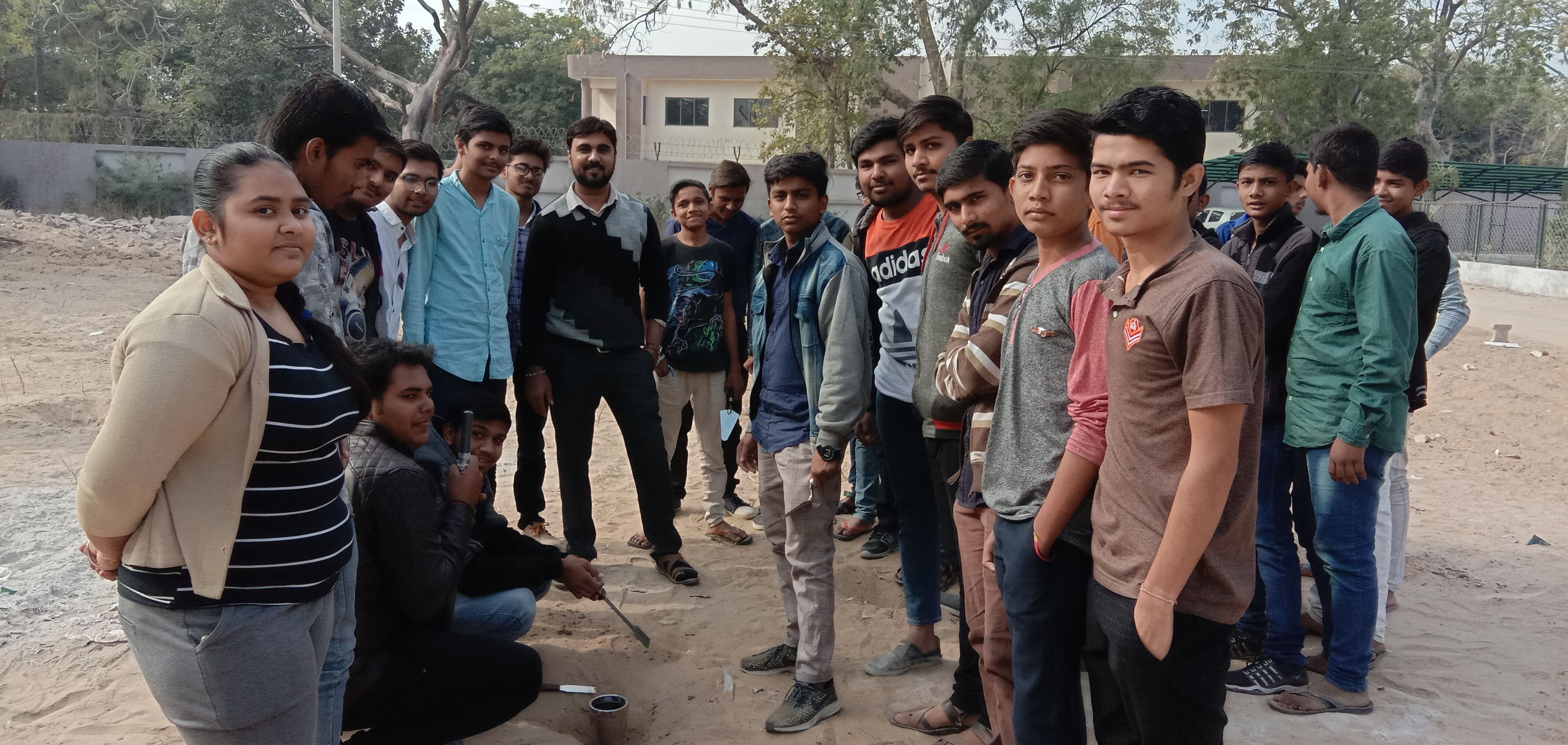
Introduces methods of soil testing and field investigation techniques.
-
Prepares students for real-world civil engineering projects and higher technical studies.
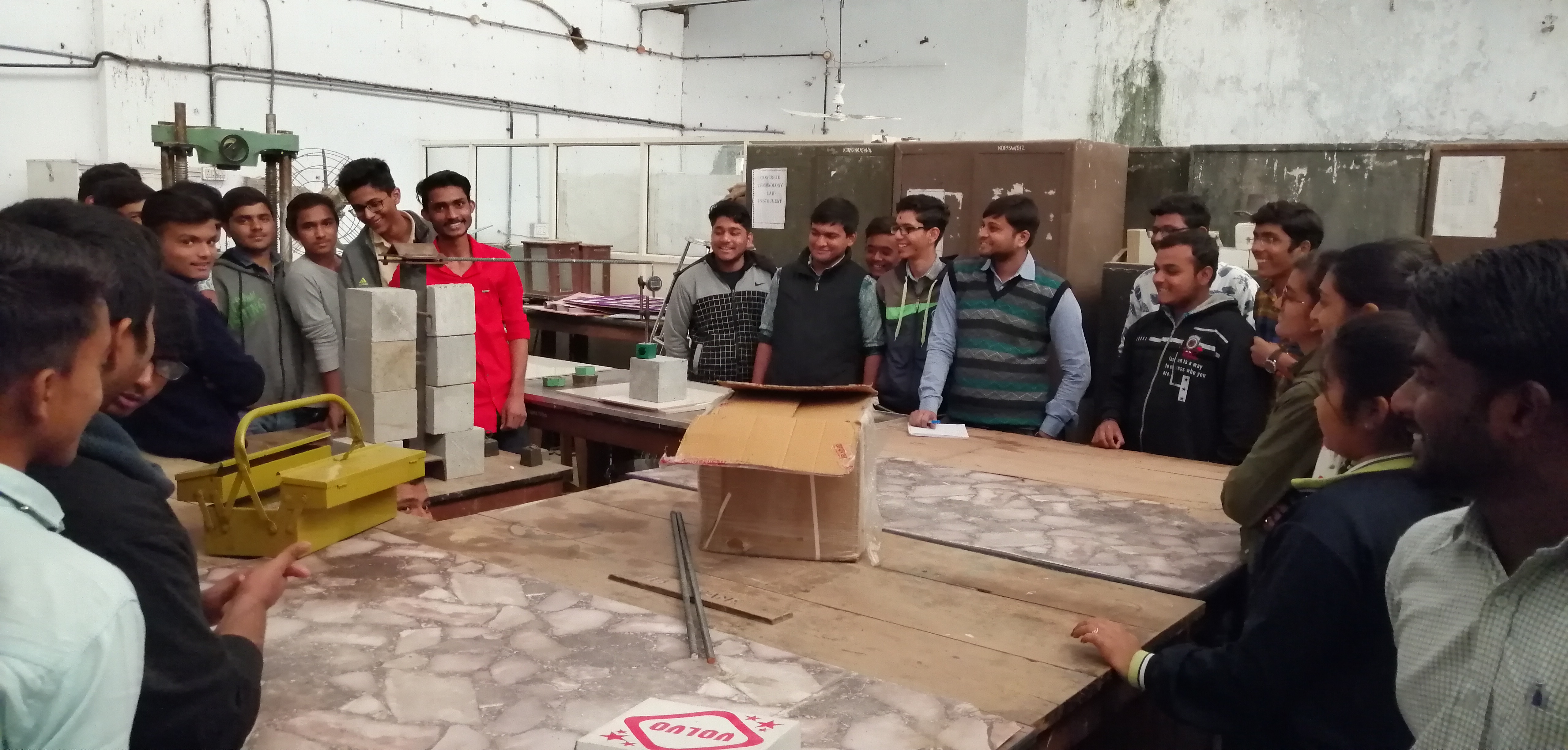
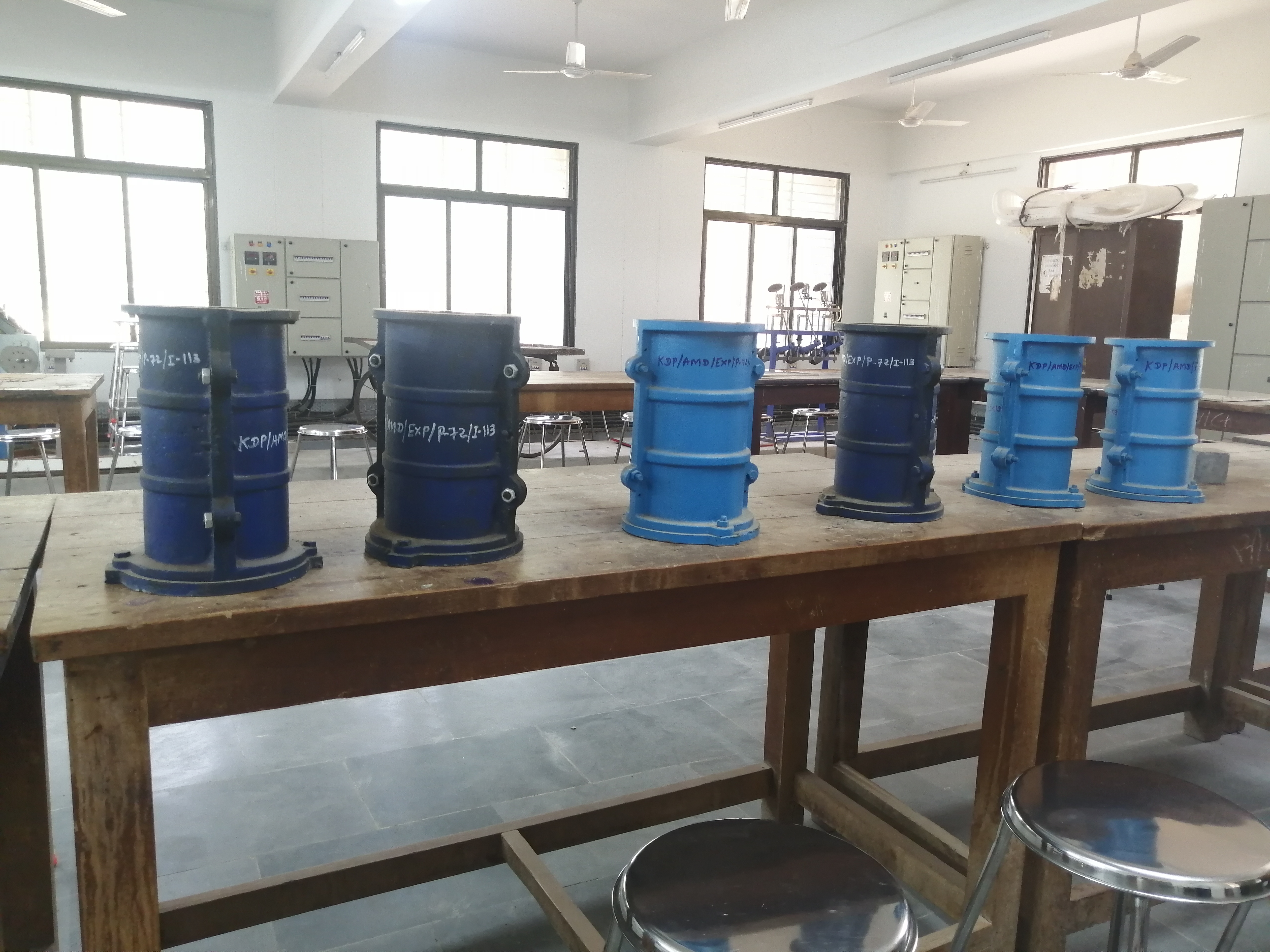
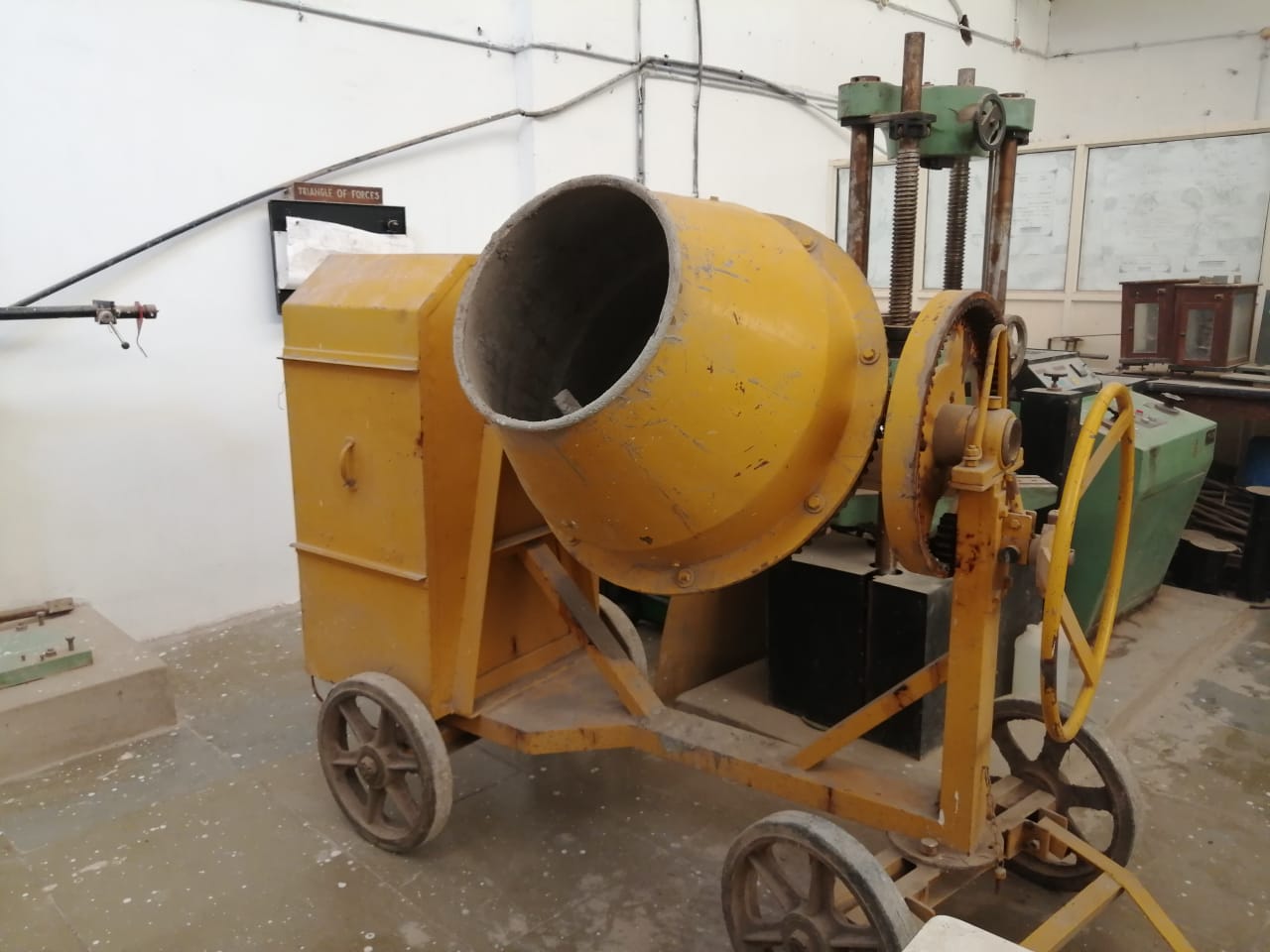
Concrete Technology
- Provides fundamental knowledge of concrete ingredients, properties, and behavior.
- Develops understanding of cement, aggregates, water, and admixtures used in concrete.
- Supports safe, economical, and sustainable construction practices.
- Prepares students for practical applications in building and infrastructure project.
Design Of Structures
- Provides knowledge of structural design principles for safe and stable constructions.
- Covers design of beams, slabs, columns, footings, and other structural elements.
- Helps students understand standard codes and engineering design practices.
- Promotes safe, economical, and durable structural design methods.
- Prepares students for professional work in construction and structural design fields.