K. D. POLYTECHNIC, PATAN

K. D. P. PATAN
Excellence in Technical Education
Excellence in Technical Education
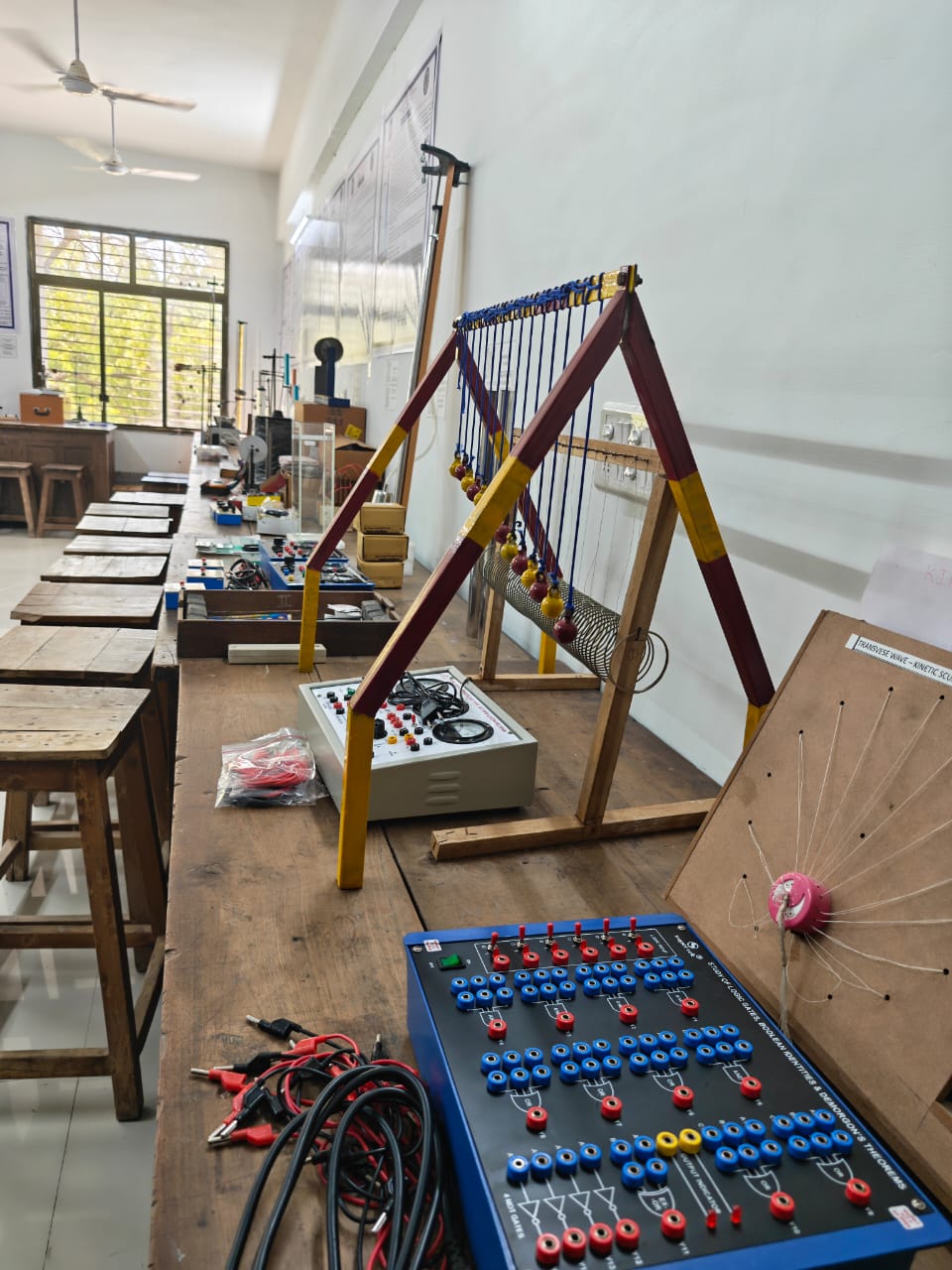
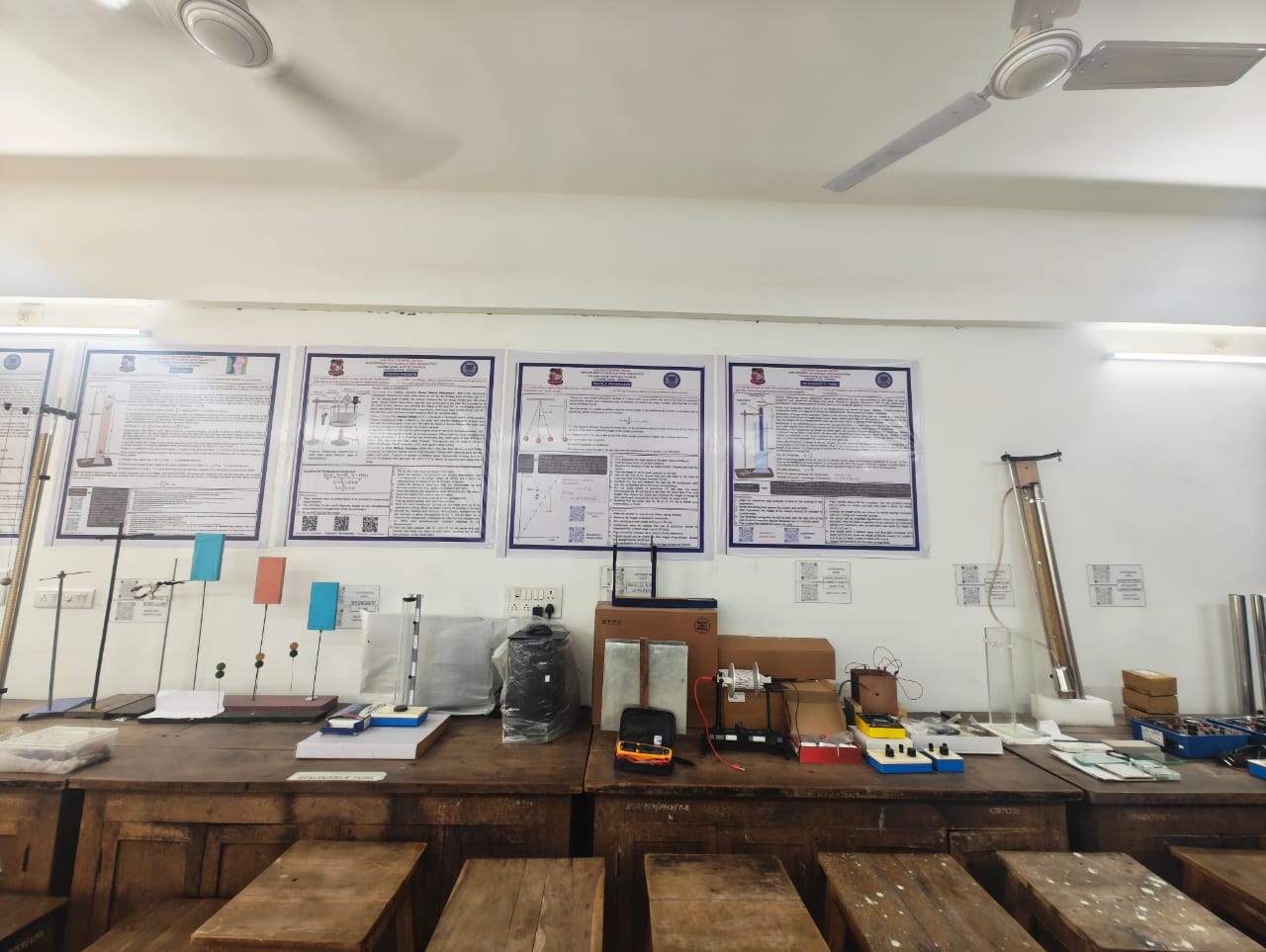
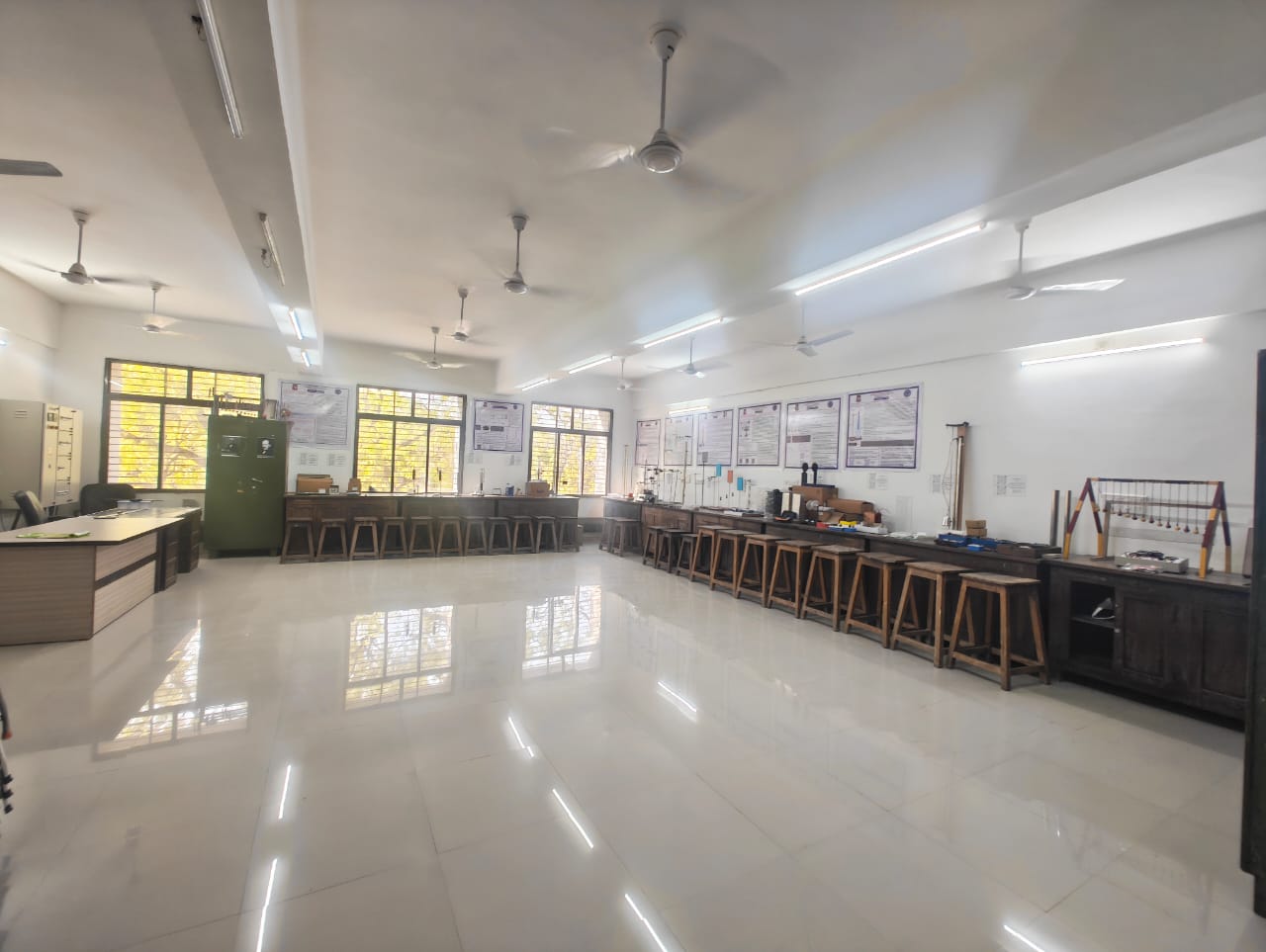
Physics is vital for understanding engineering because it is considered the "mother of all engineering disciplines".
Core Objectives
Key Laboratory Experiments
1.Objectives of the GTU Language Lab: The primary goal is to equip "budding engineers" with the interpersonal skills required by modern industry. Key objectives include:
LSRW Proficiency: Developing the four core pillars—Listening, Speaking, Reading, and Writing.
Neutralizing MTI: Reducing Mother Tongue Influence to achieve a clear, globally acceptable accent.
Confidence Building: Overcoming the "stage fear" often associated with technical presentations and group discussions.
Professional Etiquette: Learning the nuances of corporate communication, such as email writing, report drafting, and interview manners.
Infrastructure and Setup: A standard GTU-affiliated diploma language lab typically includes
Multimedia Consoles: A central "Teacher Console" to monitor students and multiple "Student Units" equipped with high-quality headphones and microphones.
Digital Software: Specialized software (like Orell, Wordsworth, or ACE) that provides interactive modules for grammar, phonetics, and situational conversations.
Audio-Visual Aids: Projectors and speakers for group activities like film appreciation or mock meetings.
2.Key Laboratory Activities: As per the GTU Semester 1 and 2 syllabus, students engage in specific practical tasks:
Phonetics & IPA: Practicing the International Phonetic Alphabet to master vowels, consonants, and diphthongs.
Role Play: Simulating real-world scenarios, such as handling a technical complaint or explaining a product process.
Group Discussions (GD): Practicing debate and negotiation skills on current technical or social topics.
Listening Exercises: Listening to recorded speeches and interviews to improve comprehension and note-taking.
Technical Writing: Drafting professional emails, notices, and laboratory reports using correct syntax.
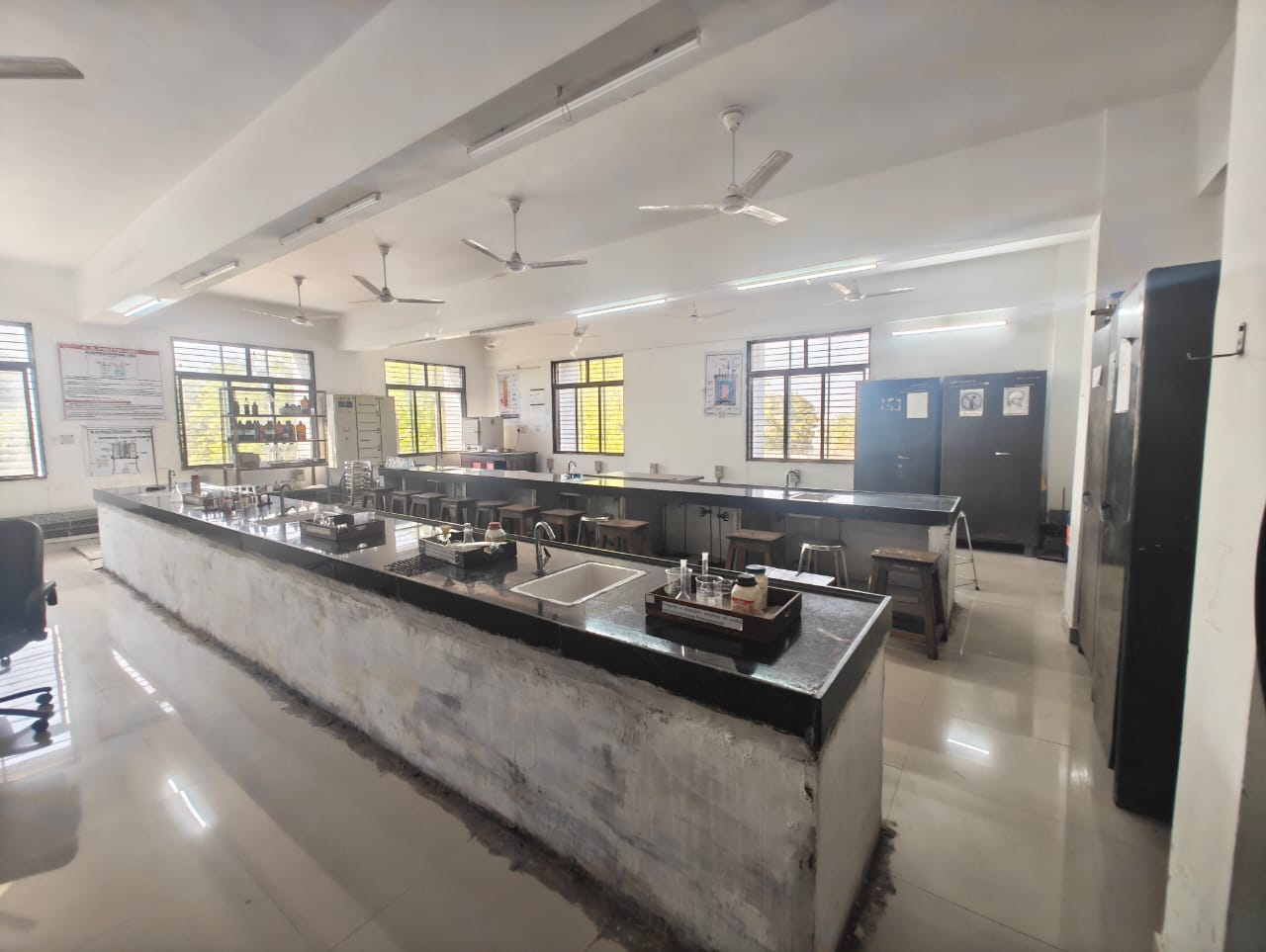
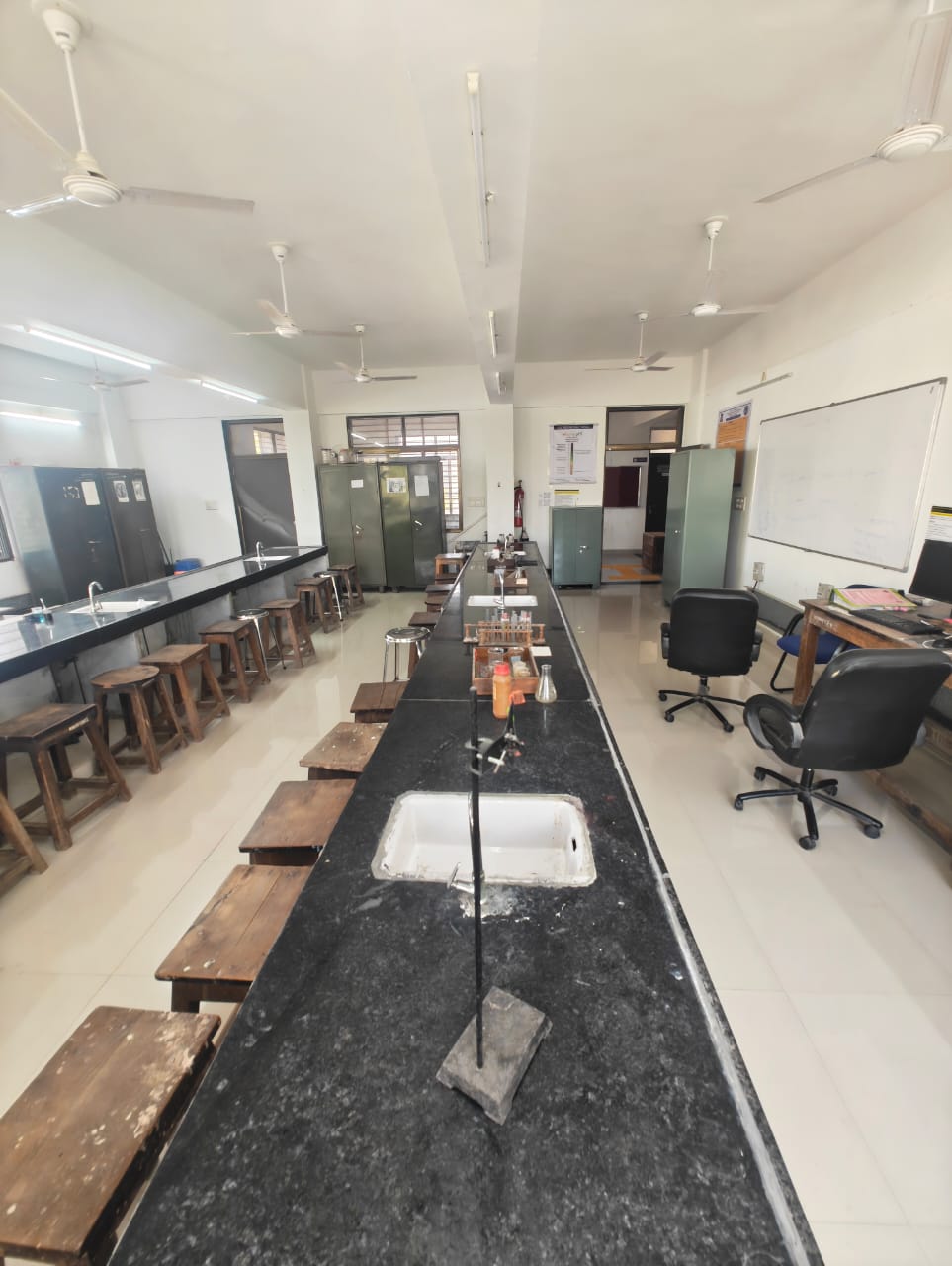
In Diploma Engineering, the Chemistry Laboratory (often categorized under Applied Sciences) is the foundational space where students transition from abstract chemical formulas to real-world material science. For colleges affiliated with Gujarat Technological University (GTU), the Chemistry Lab is specifically designed to align with the "Applied Chemistry" course, focusing on the chemical properties of materials used in civil, mechanical, and electrical engineering.
1. Objectives of the GTU Chemistry Lab
The primary goal of the lab is to provide "budding engineers" with a hands-on understanding of how chemical compositions affect engineering materials. According to the GTU curriculum, the lab aims to:
Analyse Water Quality: Determining hardness and alkalinity, which is critical for boiler operations in industries.
Study Engineering Materials: Understanding the properties of metals, alloys, lubricants, and polymers.
Develop Analytical Skills: Mastering titration, pH measurement, and qualitative analysis.
Safety & Precision: Instilling rigorous safety protocols and the habit of precise measurement required in industrial environments.
2. Infrastructure and Equipment
A GTU-standard Chemistry Lab is equipped with specialized glassware and instruments designed for analytical chemistry:
Analytical Instruments: Digital pH meters, Conductometers, and Colorimeters for precise data collection.
Standard Glassware: Burettes, pipettes, conical flasks, and volumetric flasks for titrimetric analysis.
Heating Elements: Bunsen burners, sand baths, and muffle furnaces.
Safety Features: Fume hoods for handling volatile chemicals, eye-wash stations, and emergency fire extinguishers.
3. Key Laboratory Experiments
As per the GTU Semester 1 and 2 syllabi, students engage in experiments that have direct industrial applications:
Water Analysis: Estimating hardness (EDTA method) and chloride content for industrial use.
Lubricant Testing: Determining Flash point, Fire point, and Viscosity of industrial oils.
Metallurgy: Studying the corrosion rate of metals and methods of prevention (Electroplating).
Polymer Science: Preparation of Bakelite or Urea-Formaldehyde resins.
pH Metry: Measuring acidity/alkalinity of soil or industrial effluents.
4. Importance in the Engineering Context
In the GTU framework, Chemistry is not taught as a pure science but as Material Technology.
"Every engineer works with materials. Whether it is the concrete in a bridge, the semiconductor in a chip, or the fuel in an engine, chemistry governs their performance and durability."
The Department of Science and Humanities is situated within Academic Block (Building D) on the campus. The two-story facility houses 11 classrooms, each thoughtfully equipped with wooden seating to accommodate up to 75 students. For enhanced safety and security, every classroom is monitored via CCTV surveillance.